December 15, 2025

More Mistletoe, Less Mayhem: A Realistic Guide to Holiday Drinking Without the Drama Let’s be real—the holidays are a pressure cooker. This guide is your survival […]



Ever wonder why festive cheer often turns into family friction? This article cuts to the chase, exploring the deep psychological reasons behind increased arguments and offering real-world insights into navigating holiday conflict with more grace. Get ready to understand the hidden triggers and practical strategies for peaceful holidays to transform your experience this year.
Okay, let's be real for a second. You know that feeling, right? That little knot in your stomach as the holidays approach, even amidst all the glittering lights and promises of joy. It’s supposed to be the most wonderful time of the year, a chance for connection, warmth, and maybe even a little magic. But for so many of us, it often feels more like a minefield, doesn't it? If you've ever found yourself wondering, "Why do we fight more when we're supposed to be celebrating?", you're definitely not alone. It's a question that hits home for a lot of us.
There’s a wild paradox at play here. This season, designed for togetherness, frequently morphs into a hotbed of tension, misunderstandings, and outright arguments. It can feel utterly baffling. We carry these idealized images of perfect family gatherings, thanks to movies and glossy magazines, but the reality? It’s often a messy, complicated affair. So, if you’re heading into this festive period with a sense of dread about potential family squabbles, I totally get it. This article is going to help you with navigating holiday conflict like a pro, because you deserve to actually enjoy this time.
You see, it’s not just bad luck or a few grumpy relatives causing all the ruckus. There's a whole complex web of psychological pressures, societal expectations, and long-standing family dynamics swirling beneath the surface, just waiting to get stirred up. Think of it as a perfect storm brewing, fueled by everything from financial worries to resurfacing old wounds. We’re going to really dig into what’s happening, helping you gain a clearer picture of why this time of year can feel so incredibly charged, and offer strategies for peaceful holidays.
And it gets heavier. The sheer weight of trying to create those picture-perfect moments, manage budgets, juggle schedules, and deal with differing personalities? It can be enough to make anyone feel like they're about to lose their mind. It’s no wonder then that seemingly minor disagreements can blow up into full-blown arguments. This isn’t about blaming anyone; it's about peeling back the layers to start understanding holiday family dynamics from a fresh perspective. You deserve to experience a calmer holiday.
So, what gives? Why do our nerves fray, and our patience wear thin precisely when we’re supposed to be feeling the most loving? Well, we're going to dive deep into understanding holiday family dynamics, exploring everything from those unrealistic expectations we hold onto, right down to the brain’s own response to stress overload. We’ll look at the cultural narratives that set us up for disappointment, the sheer logistical demands, and even how our personal histories play a huge part. By the time we’re done, you’ll have a much clearer roadmap for navigating holiday conflict that crops up.
My goal here isn’t just to tell you what’s wrong, but to offer some serious insights into practical approaches for reducing seasonal stress and hopefully, fostering more genuine connection. Because, let's face it, nobody wants to spend the holidays tiptoeing around landmines or locked in their room. We’ll explore the emotional triggers, the subtle psychological mechanisms that magnify our reactions, and how our communication styles often go completely sideways.
By really grasping these underlying factors, you can start to implement genuine strategies for peaceful holidays, allowing you to finally savor those precious moments and focus on joy. This is about taking back your holiday spirit by proactively reducing seasonal stress for everyone involved.
It’s truly something, isn't it? How this time of year, meant for quiet reflection and joy, so easily morphs into a high-octane pressure cooker. And I mean, really, who can blame us when we’re bombarded from every angle?
Idealized Narratives and Media Portrayals: Think about those glossy magazine covers, the endless stream of Hallmark movies, and all those perfect family photos splashed across social media. They paint this picture of an unattainable "perfect" holiday. Everyone is smiling, the house is pristine, the food is gourmet, and there's never a cross word spoken. It's a fantasy, sure, but we internalize it. We really do.
And that gap, between the dream of unbroken bliss and the messy reality of your aunt’s questionable casserole or your brother’s political rants, well, it’s big. It sets us up for disappointment, doesn't it? That feeling that you're just not measuring up, that your holiday isn't "good enough."
Financial Burden and Consumerism: Then there's the money, the sheer, unadulterated financial burden that descends upon us like a winter storm. Seriously, from gifts for every single person you’ve ever met, to elaborate meals that could feed a small army, decorations, and let’s not forget travel – it all adds up. And fast.
Suddenly, you’re looking at your bank account, feeling that familiar squeeze, maybe even arguments about how much is "too much." This financial pressure is a silent killer of holiday cheer, often leaving folks feeling inadequate or stretched thin. It's a tough pill to swallow when you're just trying to spread some joy.
Time Constraints and Logistical Overload: Oh, and the clock. My goodness, the clock becomes your sworn enemy. You’re juggling work deadlines, then rushing to shop, trying to coordinate meal prep, fitting in every social event imaginable, and let’s not forget the family visits. It's a logistical nightmare.
This intense scheduling leaves us chronically short on time. Exhausted. Worn out. And when you’re running on fumes, your patience – the kind that usually allows you to gracefully ignore Uncle Jerry’s eccentricities – just evaporates. Poof. Gone.
Increased Social Obligations and Forced Proximity: And speaking of social obligations, suddenly your calendar is bursting at the seams. You’re seeing people you might only interact with once a year, or perhaps those family members with whom you have, let’s just say, complicated histories. And you're stuck in a confined space with them for hours, maybe even days.
That forced proximity? It can be absolutely suffocating. You crave your own space, your own quiet corner, but it's nowhere to be found. It feels like everyone is in your business, and you can’t catch a breath. That's a recipe for simmering resentment, if you ask me.
The Weight of Family Traditions and Expectations: Don’t even get me started on the weight of family traditions. On one hand, they’re comforting, right? They connect us to the past. But on the other, they can become these rigid, unbreakable rules. And heaven forbid you try to change something, even a tiny little thing.
Suddenly, what was a cherished ritual becomes an obligation, a source of conflict over who gets to host, or why we can't just have turkey this year instead of ham. Old resentments, long buried, can flare up over perceived slights or changes to the "way things have always been." It’s a minefield of unspoken expectations.
Heightened Emotional States (Joy, Grief, Loneliness, Nostalgia): So, with all those external pressures swirling around, it’s no wonder our internal emotional worlds become a bit of a kaleidoscope, spinning wildly. The holidays don't just amplify joy; they supercharge every single emotion, good or bad.
You might feel bursts of pure joy one minute, then a profound pang of grief for loved ones gone, or an overwhelming loneliness despite being surrounded by people. Nostalgia, too, hits hard. The co-existence of these wildly conflicting feelings? It’s disorienting. It's emotionally taxing.
And when you're running on that kind of emotional overload, your fuse gets incredibly short. Little things, that you'd usually brush off, suddenly become huge, glaring annoyances. You're just more susceptible to irritability, feeling like your skin is too thin.
Resurfacing of Unresolved Family Dynamics and Old Wounds: Then there are those unresolved family dynamics, like ghosts from holidays past, that inevitably resurface. You walk into that familiar childhood home, and bam! You’re not an adult anymore; you’re suddenly 15 again, replaying old arguments.
The intimate, often sentimental atmosphere of the holidays, it’s like a giant magnet for old conflicts. Long-standing resentments, unspoken hurts, those old wounds? They just bubble right up to the surface. And before you know it, you’re back in those familiar, frustrating patterns of interaction and argument. It's a tough cycle to break.
Loss of Routine and Self-Care Deficits: And let’s be honest, who hasn’t completely thrown their routine out the window during the holidays? Your sleep schedule goes haywire, exercise becomes a distant memory, and "healthy eating" transforms into a five-day sugar and carb fest. I get it. We all do it.
But this loss of routine, coupled with a steady diet of rich food and broken sleep, leads to serious physical and mental fatigue. Your resilience plummets. Your capacity for dealing with minor annoyances, or even major ones, shrinks to almost nothing. You’re running on empty.
Increased Alcohol Consumption and Substance Use: And then there’s the elephant in the room for many gatherings: increased alcohol consumption. A little holiday cheer is one thing, but too often, it becomes much more. Alcohol, and sometimes other substances, lower inhibitions. They impair judgment.
They also have a nasty habit of exacerbating any pre-existing emotional issues you might be wrestling with. So, a tipsy comment can escalate into a full-blown argument much faster, and with far greater intensity, than it ever would have sober. It’s a common pitfall we all need to watch out for.
Seasonal Affective Disorder (SAD) and Winter Blues: Plus, for many of us, the season itself is a challenge. Reduced daylight hours, colder weather, the whole winter blues thing… it’s real. Seasonal Affective Disorder, or SAD, can cast a long shadow, bringing with it symptoms of depression, low energy, and a general grumpiness.
This adds another layer of psychological vulnerability to an already demanding time. You're already fighting an uphill battle just to feel okay, and then you add all the holiday pressures on top. It's truly a lot to manage.
Now, let's get a little brainy for a minute, because there are some fascinating psychological gears grinding away beneath all this holiday friction. And once you see them, you can’t unsee them. It’s truly eye-opening, especially for understanding holiday family dynamics.
Expectation Mismatch Theory: First up, the Expectation Mismatch Theory. We just talked about those idealized images, right? Well, when your deeply ingrained expectation of perfect harmony and universal happiness crashes head-on with the messy reality of human beings, well, that's where the trouble starts.
The disparity is often huge. And it leads to profound disappointment, frustration, even resentment. We expect a magical movie scene, and we get Uncle Ted picking a fight about politics over dinner. It's a letdown, and that emotional whiplash primes us for conflict.
Cognitive Load and Decision Fatigue: And let's not forget the sheer mental gymnastics required to pull off the holidays. The gift lists, the meal planning, the travel logistics, the endless social engagements – it’s a marathon of decisions. This is what psychologists call "cognitive load."
All that mental energy eventually leads to "decision fatigue." Your brain just gets plain tired. When your mental resources are depleted, you're far more prone to snap judgments, irritability, and just generally making bad calls in conversations. It's like your internal filter is broken.
Attribution Biases and Fundamental Attribution Error: Then there are those pesky Attribution Biases. When you're stressed and emotionally reactive, you tend to attribute other people's negative behaviors, especially family members', to their fundamental personality flaws. "Oh, that’s just how Aunt Carol is."
You forget to consider external situational factors – maybe Aunt Carol is also stressed out or dealing with her own issues. This "fundamental attribution error" leads to harsher judgments and, you guessed it, escalated conflict. We paint them as the villain, and it’s hard to come back from that.
Boundary Violations and Personal Space Invasion: And good lord, the boundary violations! The holidays are practically an open season for them, aren't they? The intense proximity, the increased expectations for interaction – it often leads to people stomping all over your personal space, physically, emotionally, or conversationally.
Suddenly, you feel disrespected, controlled, or utterly overwhelmed. Your personal space is invaded, your opinions are questioned, your life choices scrutinized. These boundary infringements are often the spark that ignites a full-blown argument. You're just trying to hold it together.
Attachment Theory and Regressive Behaviors: Finally, we hit Attachment Theory. Here’s a heavy one, but so true. The stress of the holidays, coupled with interactions with your primary attachment figures – your parents, siblings, long-term partners – can actually trigger insecure attachment patterns.
It's like you regress to childhood behaviors. You might seek excessive reassurance, or conversely, react with hyper-sensitivity to perceived slights, just like a child might. This unconscious dynamic can make understanding holiday family dynamics incredibly challenging, drawing you back into old, painful patterns you thought you’d outgrown.
Alright, so we've got the pressures, the emotions, and the psychological gears all working overtime. Now, let’s talk about how we actually talk (or don’t talk) to each other, because that’s often where the whole thing goes sideways. This is where navigating holiday conflict gets really tricky.
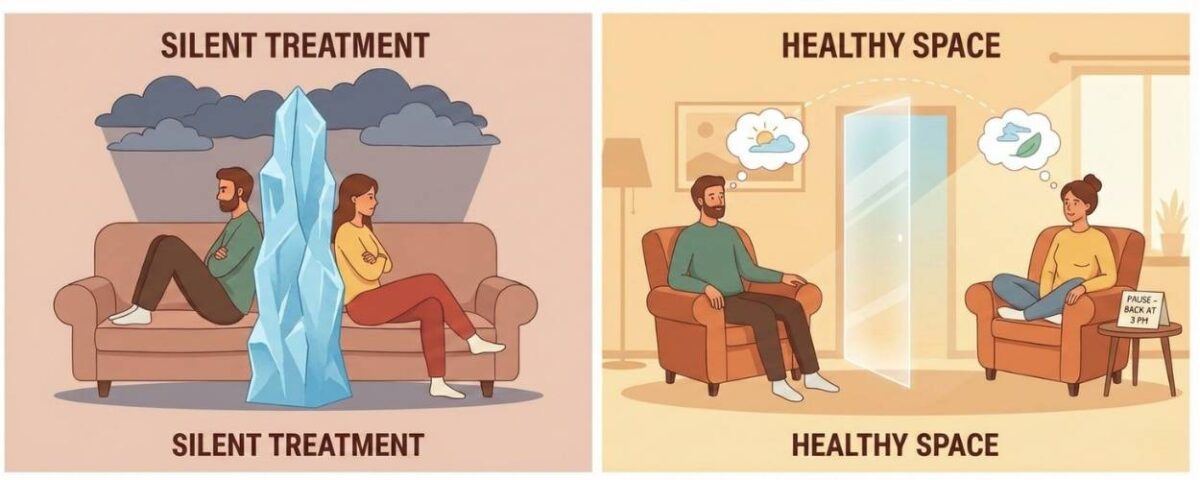
[Image of two people arguing]Ineffective Communication Styles (Passive-Aggression, Stonewalling, Criticism): Under stress, our communication styles often go from bad to worse. Think about it: passive-aggressive comments that sting but don't quite get addressed, stonewalling where someone just shuts down completely, or harsh criticism that feels like a personal attack. And then there's the inevitable defensiveness.
These habits, they don't solve anything. Instead, they prevent genuine understanding, building walls rather than bridges. They fuel those miserable cycles of negativity where no one feels heard, and everyone feels attacked. It’s a vicious spiral, isn't it?
Difficulty Setting and Maintaining Boundaries: And boundaries? Oh, they are so hard to set and maintain with family, especially during the holidays. You’re caught between ingrained family roles, maybe a fear of offending Aunt Martha, or just a desperate desire to avoid conflict. So, you let things slide.
But every boundary you don't set, every uncomfortable comment you don't address, festers. It builds up resentment. And that resentment? It’s a ticking time bomb, waiting to explode into an argument over something seemingly trivial. You really need strategies for peaceful holidays.
Misinterpretations and Lack of Active Listening: Then there’s the sheer volume of misinterpretations. We’re often having hurried conversations, we're emotionally reactive, and we come to the table with preconceived notions about what someone really means. It's a recipe for disaster.
We fail to actively listen, truly hear what the other person is saying, and understand their perspective. So, misunderstandings multiply. They fester. And without active listening, we simply can’t resolve those little bumps before they become full-blown clashes.
The "Elephant in the Room" Phenomenon: Have you ever noticed the "elephant in the room" phenomenon? Families are masters at avoiding sensitive or contentious topics throughout the year. We sweep them under the rug, hoping they’ll just disappear. But guess what? They don’t.
When you’re forced into prolonged holiday proximity, those unresolved issues become undeniable. They just have to come out. And when they do, after months or even years of being ignored, they can explode into arguments with incredible force. It’s like a dam breaking.
Emotional Reasoning Over Logic: And finally, my friend, emotional reasoning takes over from logic. When emotions are running high during these intense holiday interactions, our feelings and perceptions often trump objective facts. You feel disrespected, so that must be the truth, regardless of actual intent.
This makes conflict resolution an uphill battle. Trying to reason with someone when they are operating purely from an emotional standpoint is like trying to nail Jell-O to a wall. It’s frustrating, and often futile. And we need some serious strategies for peaceful holidays here.
So, we’ve peeled back the layers. We’ve looked at the what, the why, and the how of holiday conflict. Now, let’s talk about what we can actually do about it. This is where the rubber meets the road, where we start reducing seasonal stress with real action.
Setting Realistic Expectations and Letting Go of Perfection: First, and this is a big one: set realistic expectations. Drop the fantasy of the "perfect" holiday. It simply doesn't exist, and chasing it will only leave you exhausted and disappointed. Embrace imperfection. Focus on genuine connection and just being present, rather than orchestrating a movie-set experience. Let yourself off the hook.
Proactive Communication and Boundary Setting: Then, get proactive with your communication and boundary setting. Don't wait for things to boil over. Clearly and assertively communicate your needs before and during gatherings. Practice saying "no" graciously. And learn strategies for disengaging gracefully from difficult conversations or situations. It’s okay to step away, to say, "I need a moment." This is key to navigating holiday conflict.
Prioritizing Self-Care and Stress Management: Please, please, please prioritize self-care. It’s not selfish; it’s survival. Maintain your routines for sleep, exercise, and healthy eating as much as possible. Schedule dedicated alone time, even if it’s just 15 minutes with a cup of coffee and no one bothering you. Building that resilience is your armor against holiday stressors.
Developing Conflict Resolution Skills: And it’s time to develop some serious conflict resolution skills. This means learning to de-escalate arguments, not fuel them. Practice active listening – truly hearing what the other person is saying, not just waiting for your turn to speak. Use "I" statements to express your feelings ("I feel overwhelmed when…") instead of accusatory "you" statements. Seek compromise. And know when to take a time-out from a discussion.
Mindful Consumption and Financial Planning: Let's also talk about mindful consumption and financial planning. Create a holiday budget and stick to it, no matter what Madison Avenue tells you. Prioritize experiences over material gifts. Because honestly, those memories last longer than a new gadget. Consciously reduce your exposure to commercial pressures; turn off the ads. This seriously helps in reducing seasonal stress.
Cultivating Gratitude and Perspective: And finally, cultivate gratitude and perspective. Take a moment each day to intentionally focus on what you are thankful for, even amidst the chaos. Shift your perspective away from potential stressors and towards appreciation for the good things, however small. It’s a powerful mental trick to help you weather the storm.
By adopting these conscious shifts, you're not just hoping for a better holiday; you're actively creating one. You’re giving yourself and your loved ones the gift of presence, peace, and real connection. And that, my friend, is a present that keeps on giving, long after the tinsel is put away. It's about taking charge of your experience, rather than just letting the holidays happening to you.
This section will synthesize the various psychological and environmental factors that contribute to increased conflict during the holidays. It will reiterate that understanding these complex dynamics is the first step towards navigating the season with greater peace and intentionality. The conclusion will offer a final empowering message, encouraging readers to apply self-awareness, communication skills, and self-care to transform potential conflict into opportunities for genuine connection and joy.
The holiday season, despite its association with joy and peace, frequently becomes a period of heightened stress and conflict due to a complex interplay of societal expectations, financial burdens, emotional amplification, and unresolved family dynamics. External pressures include idealized media portrayals, significant monetary demands for gifts and celebrations, intense time constraints from logistical overload, and increased social obligations that often involve difficult family interactions. These factors create a "pressure cooker" environment.
Internally, individuals face emotional overload, where joy coexists with grief, loneliness, and nostalgia, making them more irritable. Old family wounds and dynamics resurface, while disruptions to self-care routines, increased alcohol consumption, and seasonal affective disorder further deplete resilience. Psychological mechanisms such as expectation mismatch theory, cognitive load, attribution biases, and boundary violations contribute to profound disappointment and escalated conflicts. Additionally, insecure attachment patterns can trigger regressive behaviors in familial interactions.
Communication often breaks down under stress, leading to passive-aggression, stonewalling, criticism, and defensiveness. Difficulties in setting boundaries, frequent misinterpretations, and the avoidance of "elephant in the room" issues exacerbate tensions. Emotional reasoning frequently overrides logic, making conflict resolution challenging. To navigate these challenges, individuals should prioritize setting realistic expectations, proactively communicate needs and boundaries, and commit to self-care. Developing conflict resolution skills, mindful consumption, financial planning, and cultivating gratitude can transform the holiday experience, fostering genuine connection and peace.
A1: The holiday season, while culturally idealized as a time of uninterrupted joy and harmony, is fundamentally a "pressure cooker" environment that sets the stage for conflict due to a convergence of external and internal stressors. Externally, pervasive media and cultural narratives promote an unrealistic ideal of the "perfect" holiday, creating a significant gap between expectation and reality, which inevitably leads to disappointment and frustration. The substantial financial burden associated with gift-giving, elaborate meals, decorations, and travel also places immense strain on individuals and families, leading to arguments about budgeting, debt, and feelings of inadequacy. Logistical overload from intense scheduling demands – juggling work, shopping, meal preparation, social events, and family visits – results in chronic time scarcity, exhaustion, and reduced patience. Furthermore, increased social obligations and unavoidable extended proximity with family members, including those with strained relationships, can be suffocating, leading to a lack of personal space and simmering resentment. Finally, the rigid expectations tied to long-standing family traditions can become obligations, fueling disagreements over changes and triggering past resentments. These combined pressures create a high-stakes, high-stress period ripe for conflict.
A2: The holidays act as an amplifier for a broad spectrum of emotions, creating an internal emotional landscape ripe for conflict. Intense joy and anticipation can coexist with profound grief for loved ones, overwhelming loneliness, or deep nostalgia for the past. This co-existence of strong, often conflicting, feelings is emotionally taxing and disorienting, making individuals more susceptible to irritability and having a shorter fuse. Beyond current emotions, the intimate and often nostalgic atmosphere of the holidays serves as a powerful catalyst for unresolved family dynamics and old wounds to resurface. Walking into a childhood home or interacting with primary attachment figures can unconsciously draw individuals back into long-standing patterns of interaction, arguments, and resentments that may have been dormant throughout the year. These historical conflicts, once triggered, often lead to a regression to childhood behaviors, heightened sensitivity to perceived slights, or a quest for excessive reassurance, exacerbating current disagreements and making it challenging to break free from old, painful cycles.
A3: Several critical psychological mechanisms fundamentally explain why conflicts escalate during the holidays. Firstly, Expectation Mismatch Theory highlights the significant disparity between idealized holiday expectations of perfect harmony and the often-messy reality of family interactions. This gap leads to profound disappointment, frustration, and resentment, priming individuals for conflict. Secondly, the sheer volume of decisions, planning, and mental energy required for holiday preparations—referred to as "cognitive load"—can lead to "decision fatigue." This depletion of mental resources makes individuals more prone to snap judgments, irritability, and poor conversational choices. Thirdly, stress and emotional reactivity can increase Attribution Biases, where people attribute others' negative behaviors, especially family members', to inherent personality flaws rather than external situational factors. This "fundamental attribution error" results in harsher judgments and escalated conflict. Fourthly, the intense proximity and increased expectations for interaction during holidays frequently lead to Boundary Violations, triggering feelings of disrespect, being controlled, or being overwhelmed. These infringements often ignite arguments. Lastly, interactions with primary attachment figures under stress can trigger insecure Attachment Patterns, leading individuals to revert to regressive, childhood-like behaviors, seeking reassurance or reacting with heightened sensitivity, further complicating interactions.
A4: Communication during the holidays often goes sideways due to various ineffective styles and underlying challenges exacerbated by stress. Common patterns include passive-aggressive comments that create unaddressed tension, "stonewalling" where individuals withdraw or shut down, harsh criticism that feels like a personal attack, and pervasive defensiveness. These styles prevent genuine understanding, build walls between people, and fuel cycles of negativity where no one feels heard. A significant challenge is the difficulty in setting and maintaining boundaries with family members. Fear of offending, ingrained family roles, or a desire to avoid conflict often leads individuals to let uncomfortable comments or actions slide, but this ultimately builds resentment that can explode into arguments over seemingly trivial issues. Furthermore, hurried conversations, emotional reactivity, and preconceived notions frequently lead to misinterpretations and a lack of active listening. Without truly hearing and understanding others' perspectives, misunderstandings multiply and fester, making conflict resolution difficult. The "elephant in the room" phenomenon also plays a role, where families avoid sensitive topics throughout the year, only for these unresolved issues to become undeniable and erupt into arguments when forced into prolonged holiday proximity. Finally, heightened emotions often override rational thought, leading to "emotional reasoning over logic," where feelings and perceptions trump objective facts, making it incredibly difficult to find common ground or compromise during conflicts.
A5: Effectively setting boundaries and managing difficult conversations during the holidays requires proactive, assertive communication and self-awareness. First, it’s crucial to set realistic expectations for yourself and others; let go of the fantasy of a "perfect" holiday and embrace imperfection, focusing on genuine connection. Before gatherings, clearly and assertively communicate your needs, limits, and preferences. For instance, you might state, "I'm looking forward to seeing everyone, but I won't be discussing [sensitive topic]." During interactions, practice "I" statements to express your feelings and needs without accusation ("I feel overwhelmed when..." rather than "You always make me feel…"). Be prepared to gracefully disengage from difficult conversations or situations by saying, "I need a moment to step away," or "Let's agree to disagree on this." Physical boundaries are also vital; ensure you have a designated quiet space or schedule alone time to recharge, even if it's just a short walk or reading in a different room. If a boundary is violated, address it calmly and firmly, reiterating your limit. Remember that setting boundaries is not about controlling others, but about protecting your own well-being and maintaining respectful interactions. These strategies help in navigating conflicts by establishing clear guidelines and enabling you to manage your emotional responses, thus promoting a more peaceful holiday experience.
A6: Prioritizing self-care and mental well-being is fundamental to building resilience and reducing conflict during the demanding holiday season. It's not selfish; it's a necessary survival strategy. Firstly, strive to maintain your core routines for sleep, exercise, and healthy eating as much as possible, as these are crucial for physical and mental energy. Disruptions to these habits lead to fatigue, reduced resilience, and a lower tolerance for annoyances. Secondly, schedule dedicated alone time for relaxation or mindfulness activities, even if it's just 15-30 minutes each day. This could involve reading, meditating, listening to music, or simply enjoying a quiet cup of tea away from the hustle. This "me time" helps to decompress and recharge your mental batteries. Thirdly, practice mindful consumption and financial planning by creating and sticking to a holiday budget, prioritizing experiences over excessive material gifts, and consciously limiting exposure to commercial pressures. This alleviates significant sources of stress and potential arguments. Fourthly, cultivate gratitude and perspective by intentionally focusing on the positive aspects of the season and your relationships. Regularly reflecting on what you are thankful for can shift your mindset away from stressors towards appreciation. Lastly, remember that it's okay to say "no" to excessive social obligations that push you past your limits. Protecting your energy and peace is a vital form of self-care that directly contributes to a calmer, more joyful holiday experience for everyone.
https://www.apa.org/news/press/releases/2006/12/holiday-stress
understanding holiday family dynamics
reducing seasonal stress
navigating holiday conflict
strategies for peaceful holidays
Ever wonder why festive cheer often turns into family friction? This article cuts to the chase, exploring the deep psychological reasons behind increased arguments and offering real-world insights into navigating holiday conflict with more grace. Get ready to understand the hidden triggers and practical strategies for peaceful holidays to transform your experience this year.
Okay, let's be real for a second. You know that feeling, right? That little knot in your stomach as the holidays approach, even amidst all the glittering lights and promises of joy. It’s supposed to be the most wonderful time of the year, a chance for connection, warmth, and maybe even a little magic. But for so many of us, it often feels more like a minefield, doesn't it? If you've ever found yourself wondering, "Why do we fight more when we're supposed to be celebrating?", you're definitely not alone. It's a question that hits home for a lot of us.
There’s a wild paradox at play here. This season, designed for togetherness, frequently morphs into a hotbed of tension, misunderstandings, and outright arguments. It can feel utterly baffling. We carry these idealized images of perfect family gatherings, thanks to movies and glossy magazines, but the reality? It’s often a messy, complicated affair. So, if you’re heading into this festive period with a sense of dread about potential family squabbles, I totally get it. This article is going to help you with navigating holiday conflict like a pro, because you deserve to actually enjoy this time.
You see, it’s not just bad luck or a few grumpy relatives causing all the ruckus. There's a whole complex web of psychological pressures, societal expectations, and long-standing family dynamics swirling beneath the surface, just waiting to get stirred up. Think of it as a perfect storm brewing, fueled by everything from financial worries to resurfacing old wounds. We’re going to really dig into what’s happening, helping you gain a clearer picture of why this time of year can feel so incredibly charged, and offer strategies for peaceful holidays.
And it gets heavier. The sheer weight of trying to create those picture-perfect moments, manage budgets, juggle schedules, and deal with differing personalities? It can be enough to make anyone feel like they're about to lose their mind. It’s no wonder then that seemingly minor disagreements can blow up into full-blown arguments. This isn’t about blaming anyone; it's about peeling back the layers to start understanding holiday family dynamics from a fresh perspective. You deserve to experience a calmer holiday.
So, what gives? Why do our nerves fray, and our patience wear thin precisely when we’re supposed to be feeling the most loving? Well, we're going to dive deep into understanding holiday family dynamics, exploring everything from those unrealistic expectations we hold onto, right down to the brain’s own response to stress overload. We’ll look at the cultural narratives that set us up for disappointment, the sheer logistical demands, and even how our personal histories play a huge part. By the time we’re done, you’ll have a much clearer roadmap for navigating holiday conflict that crops up.
My goal here isn’t just to tell you what’s wrong, but to offer some serious insights into practical approaches for reducing seasonal stress and hopefully, fostering more genuine connection. Because, let's face it, nobody wants to spend the holidays tiptoeing around landmines or locked in their room. We’ll explore the emotional triggers, the subtle psychological mechanisms that magnify our reactions, and how our communication styles often go completely sideways.
By really grasping these underlying factors, you can start to implement genuine strategies for peaceful holidays, allowing you to finally savor those precious moments and focus on joy. This is about taking back your holiday spirit by proactively reducing seasonal stress for everyone involved.
It’s truly something, isn't it? How this time of year, meant for quiet reflection and joy, so easily morphs into a high-octane pressure cooker. And I mean, really, who can blame us when we’re bombarded from every angle?
Idealized Narratives and Media Portrayals: Think about those glossy magazine covers, the endless stream of Hallmark movies, and all those perfect family photos splashed across social media. They paint this picture of an unattainable "perfect" holiday. Everyone is smiling, the house is pristine, the food is gourmet, and there's never a cross word spoken. It's a fantasy, sure, but we internalize it. We really do.
And that gap, between the dream of unbroken bliss and the messy reality of your aunt’s questionable casserole or your brother’s political rants, well, it’s big. It sets us up for disappointment, doesn't it? That feeling that you're just not measuring up, that your holiday isn't "good enough."
Financial Burden and Consumerism: Then there's the money, the sheer, unadulterated financial burden that descends upon us like a winter storm. Seriously, from gifts for every single person you’ve ever met, to elaborate meals that could feed a small army, decorations, and let’s not forget travel – it all adds up. And fast.
Suddenly, you’re looking at your bank account, feeling that familiar squeeze, maybe even arguments about how much is "too much." This financial pressure is a silent killer of holiday cheer, often leaving folks feeling inadequate or stretched thin. It's a tough pill to swallow when you're just trying to spread some joy.
Time Constraints and Logistical Overload: Oh, and the clock. My goodness, the clock becomes your sworn enemy. You’re juggling work deadlines, then rushing to shop, trying to coordinate meal prep, fitting in every social event imaginable, and let’s not forget the family visits. It's a logistical nightmare.
This intense scheduling leaves us chronically short on time. Exhausted. Worn out. And when you’re running on fumes, your patience – the kind that usually allows you to gracefully ignore Uncle Jerry’s eccentricities – just evaporates. Poof. Gone.
Increased Social Obligations and Forced Proximity: And speaking of social obligations, suddenly your calendar is bursting at the seams. You’re seeing people you might only interact with once a year, or perhaps those family members with whom you have, let’s just say, complicated histories. And you're stuck in a confined space with them for hours, maybe even days.
That forced proximity? It can be absolutely suffocating. You crave your own space, your own quiet corner, but it's nowhere to be found. It feels like everyone is in your business, and you can’t catch a breath. That's a recipe for simmering resentment, if you ask me.
The Weight of Family Traditions and Expectations: Don’t even get me started on the weight of family traditions. On one hand, they’re comforting, right? They connect us to the past. But on the other, they can become these rigid, unbreakable rules. And heaven forbid you try to change something, even a tiny little thing.
Suddenly, what was a cherished ritual becomes an obligation, a source of conflict over who gets to host, or why we can't just have turkey this year instead of ham. Old resentments, long buried, can flare up over perceived slights or changes to the "way things have always been." It’s a minefield of unspoken expectations.
Heightened Emotional States (Joy, Grief, Loneliness, Nostalgia): So, with all those external pressures swirling around, it’s no wonder our internal emotional worlds become a bit of a kaleidoscope, spinning wildly. The holidays don't just amplify joy; they supercharge every single emotion, good or bad.
You might feel bursts of pure joy one minute, then a profound pang of grief for loved ones gone, or an overwhelming loneliness despite being surrounded by people. Nostalgia, too, hits hard. The co-existence of these wildly conflicting feelings? It’s disorienting. It's emotionally taxing.
And when you're running on that kind of emotional overload, your fuse gets incredibly short. Little things, that you'd usually brush off, suddenly become huge, glaring annoyances. You're just more susceptible to irritability, feeling like your skin is too thin.
Resurfacing of Unresolved Family Dynamics and Old Wounds: Then there are those unresolved family dynamics, like ghosts from holidays past, that inevitably resurface. You walk into that familiar childhood home, and bam! You’re not an adult anymore; you’re suddenly 15 again, replaying old arguments.
The intimate, often sentimental atmosphere of the holidays, it’s like a giant magnet for old conflicts. Long-standing resentments, unspoken hurts, those old wounds? They just bubble right up to the surface. And before you know it, you’re back in those familiar, frustrating patterns of interaction and argument. It's a tough cycle to break.
Loss of Routine and Self-Care Deficits: And let’s be honest, who hasn’t completely thrown their routine out the window during the holidays? Your sleep schedule goes haywire, exercise becomes a distant memory, and "healthy eating" transforms into a five-day sugar and carb fest. I get it. We all do it.
But this loss of routine, coupled with a steady diet of rich food and broken sleep, leads to serious physical and mental fatigue. Your resilience plummets. Your capacity for dealing with minor annoyances, or even major ones, shrinks to almost nothing. You’re running on empty.
Increased Alcohol Consumption and Substance Use: And then there’s the elephant in the room for many gatherings: increased alcohol consumption. A little holiday cheer is one thing, but too often, it becomes much more. Alcohol, and sometimes other substances, lower inhibitions. They impair judgment.
They also have a nasty habit of exacerbating any pre-existing emotional issues you might be wrestling with. So, a tipsy comment can escalate into a full-blown argument much faster, and with far greater intensity, than it ever would have sober. It’s a common pitfall we all need to watch out for.
Seasonal Affective Disorder (SAD) and Winter Blues: Plus, for many of us, the season itself is a challenge. Reduced daylight hours, colder weather, the whole winter blues thing… it’s real. Seasonal Affective Disorder, or SAD, can cast a long shadow, bringing with it symptoms of depression, low energy, and a general grumpiness.
This adds another layer of psychological vulnerability to an already demanding time. You're already fighting an uphill battle just to feel okay, and then you add all the holiday pressures on top. It's truly a lot to manage.
Now, let's get a little brainy for a minute, because there are some fascinating psychological gears grinding away beneath all this holiday friction. And once you see them, you can’t unsee them. It’s truly eye-opening, especially for understanding holiday family dynamics.
Expectation Mismatch Theory: First up, the Expectation Mismatch Theory. We just talked about those idealized images, right? Well, when your deeply ingrained expectation of perfect harmony and universal happiness crashes head-on with the messy reality of human beings, well, that's where the trouble starts.
The disparity is often huge. And it leads to profound disappointment, frustration, even resentment. We expect a magical movie scene, and we get Uncle Ted picking a fight about politics over dinner. It's a letdown, and that emotional whiplash primes us for conflict.
Cognitive Load and Decision Fatigue: And let's not forget the sheer mental gymnastics required to pull off the holidays. The gift lists, the meal planning, the travel logistics, the endless social engagements – it’s a marathon of decisions. This is what psychologists call "cognitive load."
All that mental energy eventually leads to "decision fatigue." Your brain just gets plain tired. When your mental resources are depleted, you're far more prone to snap judgments, irritability, and just generally making bad calls in conversations. It's like your internal filter is broken.
Attribution Biases and Fundamental Attribution Error: Then there are those pesky Attribution Biases. When you're stressed and emotionally reactive, you tend to attribute other people's negative behaviors, especially family members', to their fundamental personality flaws. "Oh, that’s just how Aunt Carol is."
You forget to consider external situational factors – maybe Aunt Carol is also stressed out or dealing with her own issues. This "fundamental attribution error" leads to harsher judgments and, you guessed it, escalated conflict. We paint them as the villain, and it’s hard to come back from that.
Boundary Violations and Personal Space Invasion: And good lord, the boundary violations! The holidays are practically an open season for them, aren't they? The intense proximity, the increased expectations for interaction – it often leads to people stomping all over your personal space, physically, emotionally, or conversationally.
Suddenly, you feel disrespected, controlled, or utterly overwhelmed. Your personal space is invaded, your opinions are questioned, your life choices scrutinized. These boundary infringements are often the spark that ignites a full-blown argument. You're just trying to hold it together.
Attachment Theory and Regressive Behaviors: Finally, we hit Attachment Theory. Here’s a heavy one, but so true. The stress of the holidays, coupled with interactions with your primary attachment figures – your parents, siblings, long-term partners – can actually trigger insecure attachment patterns.
It's like you regress to childhood behaviors. You might seek excessive reassurance, or conversely, react with hyper-sensitivity to perceived slights, just like a child might. This unconscious dynamic can make understanding holiday family dynamics incredibly challenging, drawing you back into old, painful patterns you thought you’d outgrown.
Alright, so we've got the pressures, the emotions, and the psychological gears all working overtime. Now, let’s talk about how we actually talk (or don’t talk) to each other, because that’s often where the whole thing goes sideways. This is where navigating holiday conflict gets really tricky.
[Image of two people arguing]Ineffective Communication Styles (Passive-Aggression, Stonewalling, Criticism): Under stress, our communication styles often go from bad to worse. Think about it: passive-aggressive comments that sting but don't quite get addressed, stonewalling where someone just shuts down completely, or harsh criticism that feels like a personal attack. And then there's the inevitable defensiveness.
These habits, they don't solve anything. Instead, they prevent genuine understanding, building walls rather than bridges. They fuel those miserable cycles of negativity where no one feels heard, and everyone feels attacked. It’s a vicious spiral, isn't it?
Difficulty Setting and Maintaining Boundaries: And boundaries? Oh, they are so hard to set and maintain with family, especially during the holidays. You’re caught between ingrained family roles, maybe a fear of offending Aunt Martha, or just a desperate desire to avoid conflict. So, you let things slide.
But every boundary you don't set, every uncomfortable comment you don't address, festers. It builds up resentment. And that resentment? It’s a ticking time bomb, waiting to explode into an argument over something seemingly trivial. You really need strategies for peaceful holidays.
Misinterpretations and Lack of Active Listening: Then there’s the sheer volume of misinterpretations. We’re often having hurried conversations, we're emotionally reactive, and we come to the table with preconceived notions about what someone really means. It's a recipe for disaster.
We fail to actively listen, truly hear what the other person is saying, and understand their perspective. So, misunderstandings multiply. They fester. And without active listening, we simply can’t resolve those little bumps before they become full-blown clashes.
The "Elephant in the Room" Phenomenon: Have you ever noticed the "elephant in the room" phenomenon? Families are masters at avoiding sensitive or contentious topics throughout the year. We sweep them under the rug, hoping they’ll just disappear. But guess what? They don’t.
When you’re forced into prolonged holiday proximity, those unresolved issues become undeniable. They just have to come out. And when they do, after months or even years of being ignored, they can explode into arguments with incredible force. It’s like a dam breaking.
Emotional Reasoning Over Logic: And finally, my friend, emotional reasoning takes over from logic. When emotions are running high during these intense holiday interactions, our feelings and perceptions often trump objective facts. You feel disrespected, so that must be the truth, regardless of actual intent.
This makes conflict resolution an uphill battle. Trying to reason with someone when they are operating purely from an emotional standpoint is like trying to nail Jell-O to a wall. It’s frustrating, and often futile. And we need some serious strategies for peaceful holidays here.
So, we’ve peeled back the layers. We’ve looked at the what, the why, and the how of holiday conflict. Now, let’s talk about what we can actually do about it. This is where the rubber meets the road, where we start reducing seasonal stress with real action.
Setting Realistic Expectations and Letting Go of Perfection: First, and this is a big one: set realistic expectations. Drop the fantasy of the "perfect" holiday. It simply doesn't exist, and chasing it will only leave you exhausted and disappointed. Embrace imperfection. Focus on genuine connection and just being present, rather than orchestrating a movie-set experience. Let yourself off the hook.
Proactive Communication and Boundary Setting: Then, get proactive with your communication and boundary setting. Don't wait for things to boil over. Clearly and assertively communicate your needs before and during gatherings. Practice saying "no" graciously. And learn strategies for disengaging gracefully from difficult conversations or situations. It’s okay to step away, to say, "I need a moment." This is key to navigating holiday conflict.
Prioritizing Self-Care and Stress Management: Please, please, please prioritize self-care. It’s not selfish; it’s survival. Maintain your routines for sleep, exercise, and healthy eating as much as possible. Schedule dedicated alone time, even if it’s just 15 minutes with a cup of coffee and no one bothering you. Building that resilience is your armor against holiday stressors.
Developing Conflict Resolution Skills: And it’s time to develop some serious conflict resolution skills. This means learning to de-escalate arguments, not fuel them. Practice active listening – truly hearing what the other person is saying, not just waiting for your turn to speak. Use "I" statements to express your feelings ("I feel overwhelmed when…") instead of accusatory "you" statements. Seek compromise. And know when to take a time-out from a discussion.
Mindful Consumption and Financial Planning: Let's also talk about mindful consumption and financial planning. Create a holiday budget and stick to it, no matter what Madison Avenue tells you. Prioritize experiences over material gifts. Because honestly, those memories last longer than a new gadget. Consciously reduce your exposure to commercial pressures; turn off the ads. This seriously helps in reducing seasonal stress.
Cultivating Gratitude and Perspective: And finally, cultivate gratitude and perspective. Take a moment each day to intentionally focus on what you are thankful for, even amidst the chaos. Shift your perspective away from potential stressors and towards appreciation for the good things, however small. It’s a powerful mental trick to help you weather the storm.
By adopting these conscious shifts, you're not just hoping for a better holiday; you're actively creating one. You’re giving yourself and your loved ones the gift of presence, peace, and real connection. And that, my friend, is a present that keeps on giving, long after the tinsel is put away. It's about taking charge of your experience, rather than just letting the holidays happening to you.
This section will synthesize the various psychological and environmental factors that contribute to increased conflict during the holidays. It will reiterate that understanding these complex dynamics is the first step towards navigating the season with greater peace and intentionality. The conclusion will offer a final empowering message, encouraging readers to apply self-awareness, communication skills, and self-care to transform potential conflict into opportunities for genuine connection and joy.
The holiday season, despite its association with joy and peace, frequently becomes a period of heightened stress and conflict due to a complex interplay of societal expectations, financial burdens, emotional amplification, and unresolved family dynamics. External pressures include idealized media portrayals, significant monetary demands for gifts and celebrations, intense time constraints from logistical overload, and increased social obligations that often involve difficult family interactions. These factors create a "pressure cooker" environment.
Internally, individuals face emotional overload, where joy coexists with grief, loneliness, and nostalgia, making them more irritable. Old family wounds and dynamics resurface, while disruptions to self-care routines, increased alcohol consumption, and seasonal affective disorder further deplete resilience. Psychological mechanisms such as expectation mismatch theory, cognitive load, attribution biases, and boundary violations contribute to profound disappointment and escalated conflicts. Additionally, insecure attachment patterns can trigger regressive behaviors in familial interactions.
Communication often breaks down under stress, leading to passive-aggression, stonewalling, criticism, and defensiveness. Difficulties in setting boundaries, frequent misinterpretations, and the avoidance of "elephant in the room" issues exacerbate tensions. Emotional reasoning frequently overrides logic, making conflict resolution challenging. To navigate these challenges, individuals should prioritize setting realistic expectations, proactively communicate needs and boundaries, and commit to self-care. Developing conflict resolution skills, mindful consumption, financial planning, and cultivating gratitude can transform the holiday experience, fostering genuine connection and peace.
A1: The holiday season, while culturally idealized as a time of uninterrupted joy and harmony, is fundamentally a "pressure cooker" environment that sets the stage for conflict due to a convergence of external and internal stressors. Externally, pervasive media and cultural narratives promote an unrealistic ideal of the "perfect" holiday, creating a significant gap between expectation and reality, which inevitably leads to disappointment and frustration. The substantial financial burden associated with gift-giving, elaborate meals, decorations, and travel also places immense strain on individuals and families, leading to arguments about budgeting, debt, and feelings of inadequacy. Logistical overload from intense scheduling demands – juggling work, shopping, meal preparation, social events, and family visits – results in chronic time scarcity, exhaustion, and reduced patience. Furthermore, increased social obligations and unavoidable extended proximity with family members, including those with strained relationships, can be suffocating, leading to a lack of personal space and simmering resentment. Finally, the rigid expectations tied to long-standing family traditions can become obligations, fueling disagreements over changes and triggering past resentments. These combined pressures create a high-stakes, high-stress period ripe for conflict.
A2: The holidays act as an amplifier for a broad spectrum of emotions, creating an internal emotional landscape ripe for conflict. Intense joy and anticipation can coexist with profound grief for loved ones, overwhelming loneliness, or deep nostalgia for the past. This co-existence of strong, often conflicting, feelings is emotionally taxing and disorienting, making individuals more susceptible to irritability and having a shorter fuse. Beyond current emotions, the intimate and often nostalgic atmosphere of the holidays serves as a powerful catalyst for unresolved family dynamics and old wounds to resurface. Walking into a childhood home or interacting with primary attachment figures can unconsciously draw individuals back into long-standing patterns of interaction, arguments, and resentments that may have been dormant throughout the year. These historical conflicts, once triggered, often lead to a regression to childhood behaviors, heightened sensitivity to perceived slights, or a quest for excessive reassurance, exacerbating current disagreements and making it challenging to break free from old, painful cycles.
A3: Several critical psychological mechanisms fundamentally explain why conflicts escalate during the holidays. Firstly, Expectation Mismatch Theory highlights the significant disparity between idealized holiday expectations of perfect harmony and the often-messy reality of family interactions. This gap leads to profound disappointment, frustration, and resentment, priming individuals for conflict. Secondly, the sheer volume of decisions, planning, and mental energy required for holiday preparations—referred to as "cognitive load"—can lead to "decision fatigue." This depletion of mental resources makes individuals more prone to snap judgments, irritability, and poor conversational choices. Thirdly, stress and emotional reactivity can increase Attribution Biases, where people attribute others' negative behaviors, especially family members', to inherent personality flaws rather than external situational factors. This "fundamental attribution error" results in harsher judgments and escalated conflict. Fourthly, the intense proximity and increased expectations for interaction during holidays frequently lead to Boundary Violations, triggering feelings of disrespect, being controlled, or being overwhelmed. These infringements often ignite arguments. Lastly, interactions with primary attachment figures under stress can trigger insecure Attachment Patterns, leading individuals to revert to regressive, childhood-like behaviors, seeking reassurance or reacting with heightened sensitivity, further complicating interactions.
A4: Communication during the holidays often goes sideways due to various ineffective styles and underlying challenges exacerbated by stress. Common patterns include passive-aggressive comments that create unaddressed tension, "stonewalling" where individuals withdraw or shut down, harsh criticism that feels like a personal attack, and pervasive defensiveness. These styles prevent genuine understanding, build walls between people, and fuel cycles of negativity where no one feels heard. A significant challenge is the difficulty in setting and maintaining boundaries with family members. Fear of offending, ingrained family roles, or a desire to avoid conflict often leads individuals to let uncomfortable comments or actions slide, but this ultimately builds resentment that can explode into arguments over seemingly trivial issues. Furthermore, hurried conversations, emotional reactivity, and preconceived notions frequently lead to misinterpretations and a lack of active listening. Without truly hearing and understanding others' perspectives, misunderstandings multiply and fester, making conflict resolution difficult. The "elephant in the room" phenomenon also plays a role, where families avoid sensitive topics throughout the year, only for these unresolved issues to become undeniable and erupt into arguments when forced into prolonged holiday proximity. Finally, heightened emotions often override rational thought, leading to "emotional reasoning over logic," where feelings and perceptions trump objective facts, making it incredibly difficult to find common ground or compromise during conflicts.
A5: Effectively setting boundaries and managing difficult conversations during the holidays requires proactive, assertive communication and self-awareness. First, it’s crucial to set realistic expectations for yourself and others; let go of the fantasy of a "perfect" holiday and embrace imperfection, focusing on genuine connection. Before gatherings, clearly and assertively communicate your needs, limits, and preferences. For instance, you might state, "I'm looking forward to seeing everyone, but I won't be discussing [sensitive topic]." During interactions, practice "I" statements to express your feelings and needs without accusation ("I feel overwhelmed when..." rather than "You always make me feel…"). Be prepared to gracefully disengage from difficult conversations or situations by saying, "I need a moment to step away," or "Let's agree to disagree on this." Physical boundaries are also vital; ensure you have a designated quiet space or schedule alone time to recharge, even if it's just a short walk or reading in a different room. If a boundary is violated, address it calmly and firmly, reiterating your limit. Remember that setting boundaries is not about controlling others, but about protecting your own well-being and maintaining respectful interactions. These strategies help in navigating conflicts by establishing clear guidelines and enabling you to manage your emotional responses, thus promoting a more peaceful holiday experience.
A6: Prioritizing self-care and mental well-being is fundamental to building resilience and reducing conflict during the demanding holiday season. It's not selfish; it's a necessary survival strategy. Firstly, strive to maintain your core routines for sleep, exercise, and healthy eating as much as possible, as these are crucial for physical and mental energy. Disruptions to these habits lead to fatigue, reduced resilience, and a lower tolerance for annoyances. Secondly, schedule dedicated alone time for relaxation or mindfulness activities, even if it's just 15-30 minutes each day. This could involve reading, meditating, listening to music, or simply enjoying a quiet cup of tea away from the hustle. This "me time" helps to decompress and recharge your mental batteries. Thirdly, practice mindful consumption and financial planning by creating and sticking to a holiday budget, prioritizing experiences over excessive material gifts, and consciously limiting exposure to commercial pressures. This alleviates significant sources of stress and potential arguments. Fourthly, cultivate gratitude and perspective by intentionally focusing on the positive aspects of the season and your relationships. Regularly reflecting on what you are thankful for can shift your mindset away from stressors towards appreciation. Lastly, remember that it's okay to say "no" to excessive social obligations that push you past your limits. Protecting your energy and peace is a vital form of self-care that directly contributes to a calmer, more joyful holiday experience for everyone.
https://www.apa.org/news/press/releases/2006/12/holiday-stress
understanding holiday family dynamics
reducing seasonal stress
navigating holiday conflict
strategies for peaceful holidays